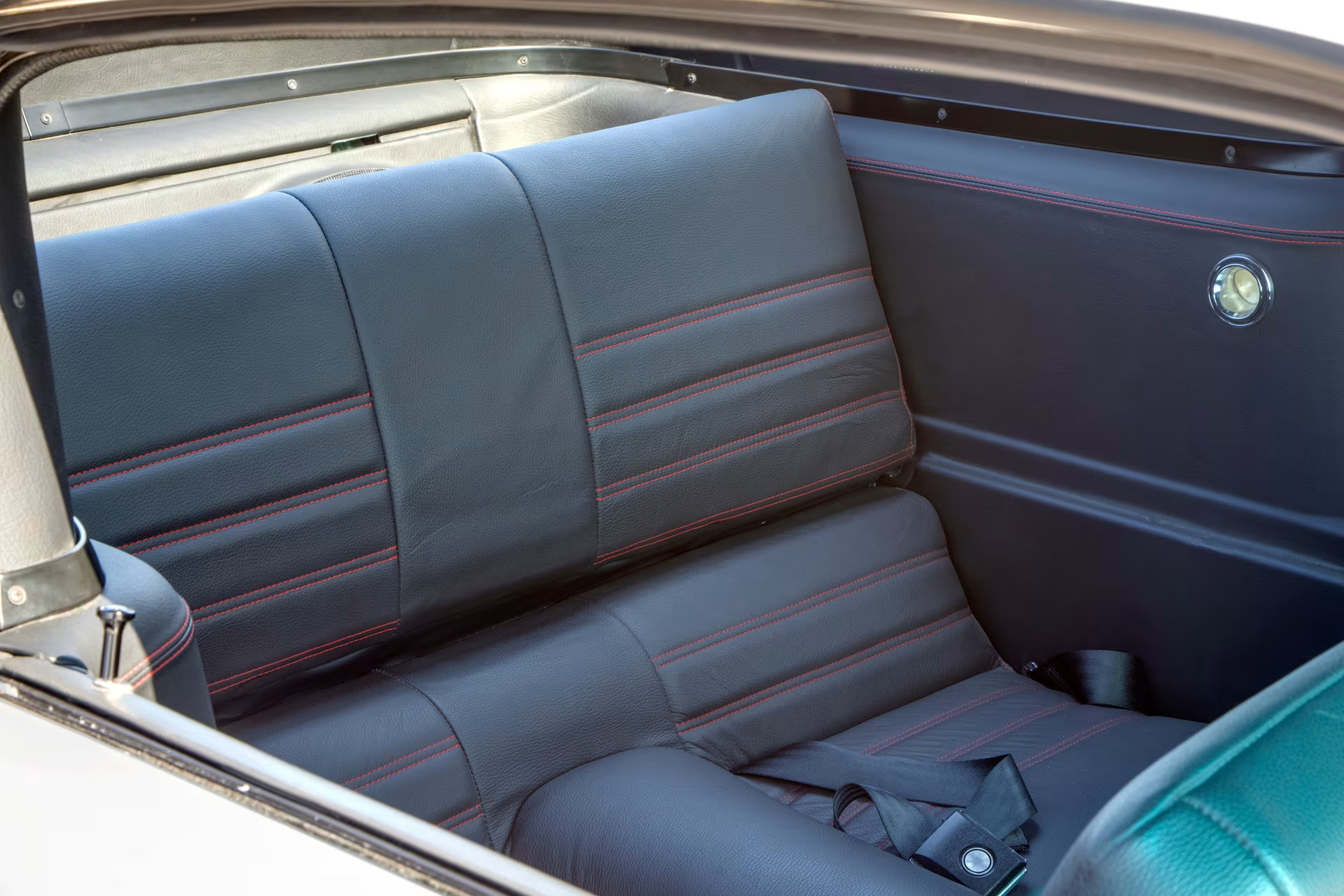
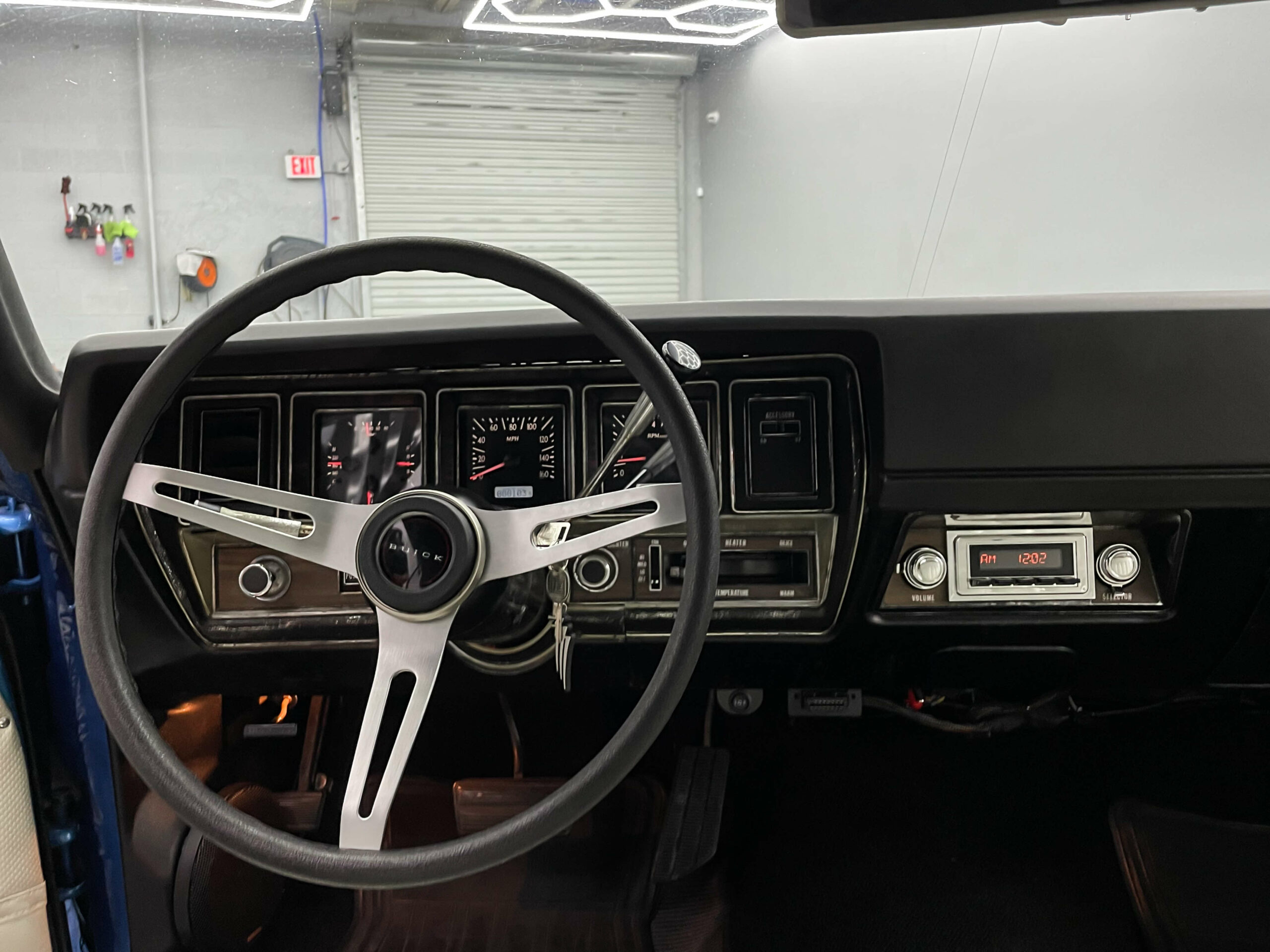
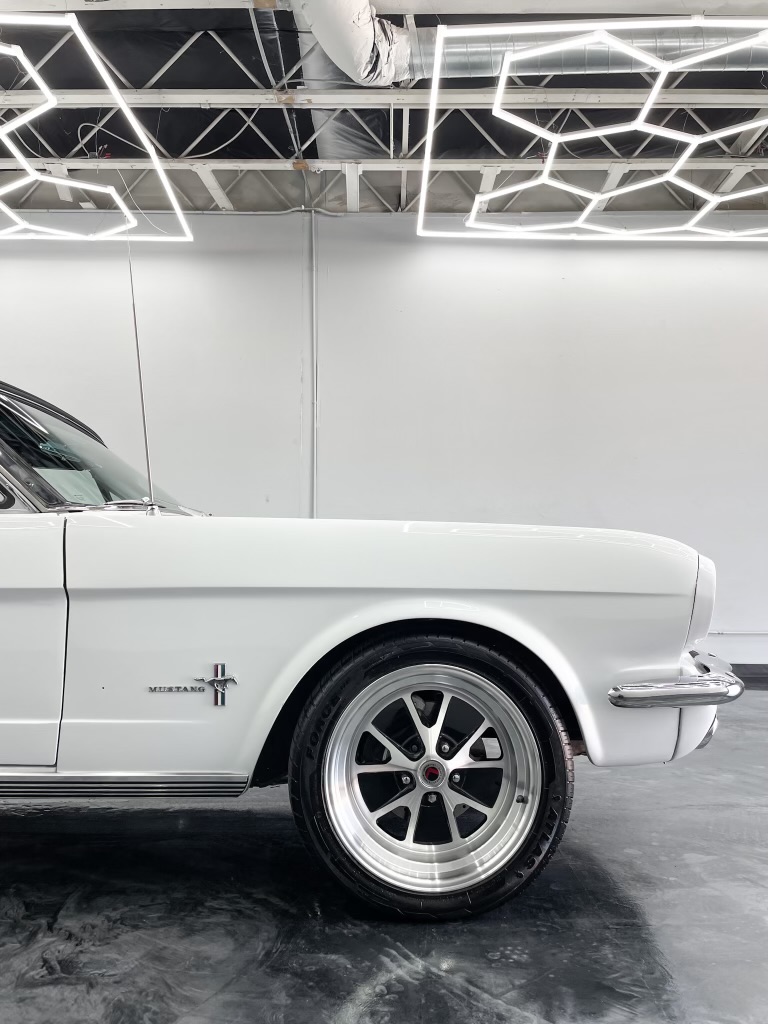
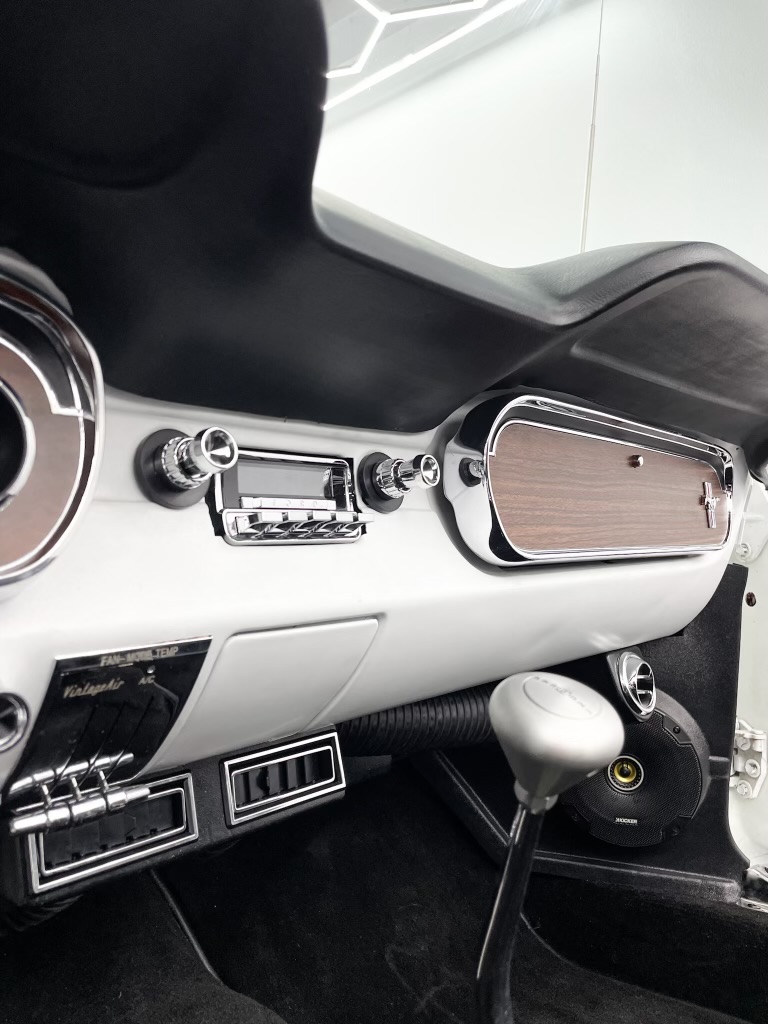
Your classic car’s interior is the cockpit where every tactile interaction—from gripping the steering wheel to settling into the seat—shapes the driving experience. In Summerlin’s desert climate, choosing upholstery that withstands UV rays, extreme heat, and daily wear is crucial. While leather exudes luxury, vinyl offers budget-friendly durability. Let’s dive into the differences and find the perfect match for your vintage ride.
Understanding Leather and Vinyl
What Is Automotive Leather?
Automotive leather is typically full-grain or top-grain cowhide that has been treated to resist stains, fading, and cracking. It’s:
Breathable: Natural pores allow airflow.
Aging gracefully: Develops a patina over time.
Customizable: Can be dyed in a wide range of colors and finishes.
Automotive-grade leather also undergoes UV inhibitors and sealants to cope with hot, sunny climates.
What Is Vinyl Upholstery?
Vinyl is a synthetic material—often PVC-based—designed to mimic the look and feel of leather. Its characteristics include:
Non-porous surface: Easy wipe-down cleaning.
UV-resistant topcoats: Prevents color fade and cracking.
Cost-effective manufacturing: Lower material and labor costs.
Modern automotive vinyl often includes foam backing for added comfort and texture embossing to simulate leather grain.
Pros & Cons Comparison
Leather Pros and Cons
Pros:
Luxurious look & feel: Premium texture with natural variations.
Comfort: Breathes better in heat, feels cooler on entry.
Patina: Gains character with use, enhancing vintage appeal.
Resale value: Perceived as high-end, often attracts discerning buyers.
Cons:
Cost: 30–50% more expensive than vinyl on average.
Maintenance: Requires regular conditioning to prevent drying.
Sun sensitivity: Without proper UV protection, can crack in harsh Summerlin sun.
Repair complexity: Tears and punctures need skilled upholstery work.
Vinyl Pros and Cons
Pros:
Affordability: Lower upfront cost—ideal for budget restorations.
Durability: Highly resistant to stains, spills, and abrasions.
UV stability: Modern vinyl resists fading and cracking better than unprotected leather.
Cons:
Heat retention: Can become hot to the touch in direct sun, though corrective foams mitigate this.
Plastic feel: Lacks the natural softness and breathability of leather.
Aging: Does not develop patina; may eventually peel or delaminate after many years.
Perception: May be viewed as less prestigious, affecting resale to high-end collectors.
Cost Considerations
Budget plays a major role in material selection. Below is a rough comparison for a full-interior job on a two-door classic:
Material
Material Cost (per yd)
Labor (per yd)
Total (est. 15 yd)
Leather
\$60–\$85
\$100–\$120
\$2,400–\$3,150
Vinyl
\$20–\$35
\$50–\$70
\$1,050–\$1,575
Prices vary by grade, color complexity, and pattern customization. Discuss detailed pricing during your Interior Restorations consultation.
Maintenance & Durability
Cleaning Leather Interiors
Vacuum loose debris weekly to avoid abrasive wear.
Mild leather cleaner monthly: Apply with a soft cloth in circular motions.
Condition every 3–4 months using a pH-balanced leather conditioner to restore oils.
UV protectant spray bi-annually to shield from Summerlin’s intense sun.
Proper care prevents dryness, cracking, and discoloration.
Cleaning Vinyl Interiors
Wipe down weekly with a microfiber cloth and mild soap solution.
Vinyl protectant application every 4–6 months repels dust and prevents surface brittleness.
Stain removal: For tougher marks (ink, grease), use dedicated vinyl stain removers.
Vinyl’s non-porous nature makes it ideal for show cars or daily drivers that face spills and dirt.
Comfort & Climate in Summerlin
Summerlin’s desert climate poses two key challenges:
Heat spikes above 110 °F. Leather stays relatively cool when shaded, whereas vinyl can heat up quickly.
Low humidity & UV exposure. Both materials benefit from protective top-coats, but leather requires more frequent conditioning.
We recommend perforated leather or vinyl with moisture-wicking foam for seats, and always pairing with Window Tint to reduce cabin temperatures and UV exposure.
Aesthetic & Resale Value
Leather interiors often command higher prices at auction and show events in Las Vegas and Henderson, appealing to enthusiasts seeking authenticity and luxury.
Vinyl interiors offer an excellent refresh for lower-value classics or daily drivers where cost control is paramount.
Choosing leather can boost resale by up to 15 %, while vinyl keeps restoration budgets under control without sacrificing a polished look.
Environmental & Health Factors
Leather: Natural hides require tanning processes that may involve chemicals; choose shops that offer eco-friendly tanning or vegetable-tanned hides.
Vinyl: PVC production and disposal carry environmental concerns—ask about phthalate-free, recyclable vinyl options for a greener choice.
Both materials can off-gas when new; allowing cured upholstery to air out in a shaded, ventilated space before regular use reduces odors.
Photograph and measure door panels, seats, dash covers.
Review material samples and stitching patterns.
Disassembly & Prep
Remove seats, door panels, headliners; inspect foam and frame conditions.
Replace degraded foam insulators and rusted backing boards.
Upholstery Fabrication
CNC-cut leather or vinyl pieces using patterns matched to your model.
Hand-stitch seams in period-correct styles (pleats, tuck-and-roll, diamond).
Assembly & Fitment
Install new panels, ensuring uniform gap tolerances and tight fit.
Reattach hardware, test seat slide and recline functions.
Final Inspection & Protection
Confirm tension, panel alignment, and heat/UV resistance treatments.
Provide care kit with recommended cleaners and conditioners.
Your restored interior emerges looking factory-fresh or bespoke, depending on your vision.
Complementary Interior Upgrades
Enhance your new upholstery with:
Ambient Lighting: Subtle LED footwell or dash accents—see our Ambient Lighting solutions.
Classic Car Audio: Hidden head units and upgraded speakers blend modern convenience—visit Car Audio Upgrades.
Electrical & Lighting: Fresh wiring harnesses and LED bulbs ensure reliability—learn more under Electrical & Lighting Upgrades.
Flooring & Carpets: Select plush or ribbed carpeting in complementary shades for complete cabin transformation.
Bundling services can save on labor and coordinate timelines for a one-stop interior makeover.
Service Areas We Cover
Our Las Vegas facility at 3271 S Highland Dr #709 serves classic-car enthusiasts throughout:
Summerlin: The Ridges, The Vistas, The Trails
Henderson: Green Valley, Anthem
North Las Vegas: Aliante, Eldorado
Paradise (The Strip), Spring Valley
Boulder City & Lake Mead communities
We also offer mobile templating and enclosed transport within 45 miles for large projects, ensuring seamless service for Summerlin residents.
Frequently Asked Questions
1. Which material lasts longer in the desert sun—leather or vinyl? → Modern automotive vinyl with UV inhibitors can outlast unprotected leather by a few years, but premium leather with UV coating and regular conditioning rivals vinyl’s longevity.
2. Can vinyl be upgraded later to leather? → Yes—our interior shop can remove vinyl panels and re-upholster in leather, often reusing foam and hardware to reduce cost.
3. How soon can I book an interior restoration? → Typical lead time is 2–3 weeks; express options are available for urgent show deadlines.
4. Do you offer custom stitching patterns or logos? → Absolutely. Embroidery and bespoke stitching (e.g., headrest logos, diamond quilting) are handled in-house.
5. Will choosing vinyl limit my resale options? → Not necessarily—well-executed vinyl can attract buyers seeking turn-key reliability at a lower price point.
6. Are there vegan leather (PU) alternatives? → Yes—we offer high-grade PU “vegan leather” that balances softness with eco-credentials.
7. Do you warranty upholstery work? → We back all upholstery with a 2-year workmanship warranty and provide lifetime support for material defects under manufacturer guarantees.
Ready to Upgrade Your Interior?
Whether you crave the timeless luxury of leather or the rugged practicality of vinyl, 777 Motorsports has the expertise and local know-how to perfect your classic’s cabin.
Call (844) 777-1296 or schedule your free interior consultation today, and let us help you choose—and install—the ideal upholstery for Summerlin’s climate and your driving lifestyle.