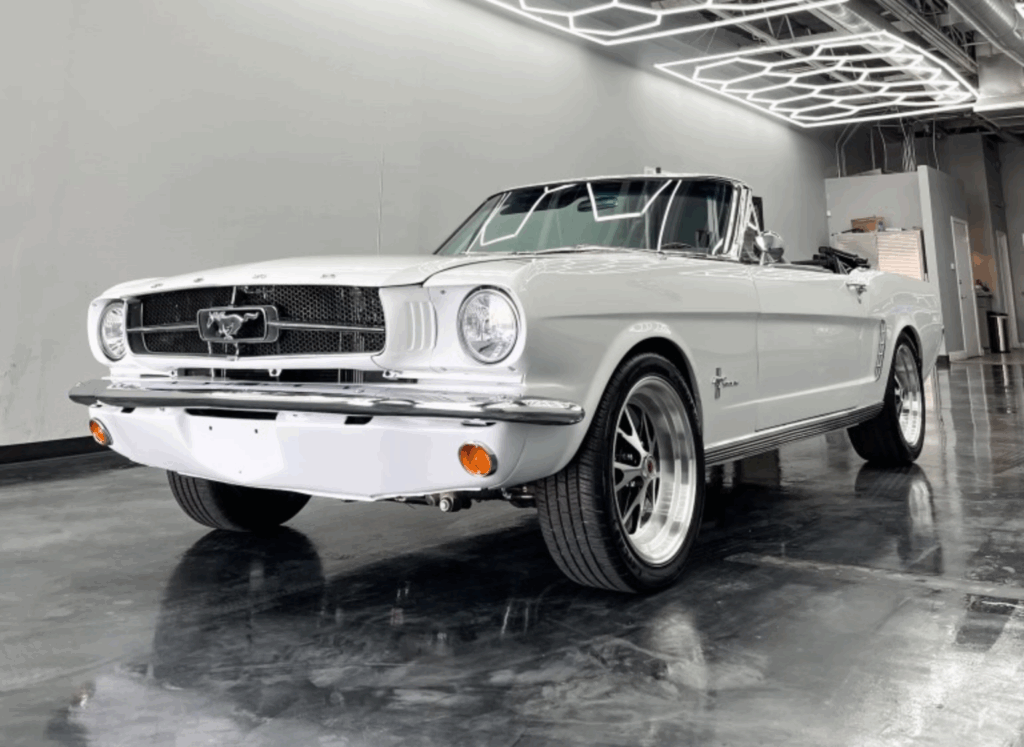
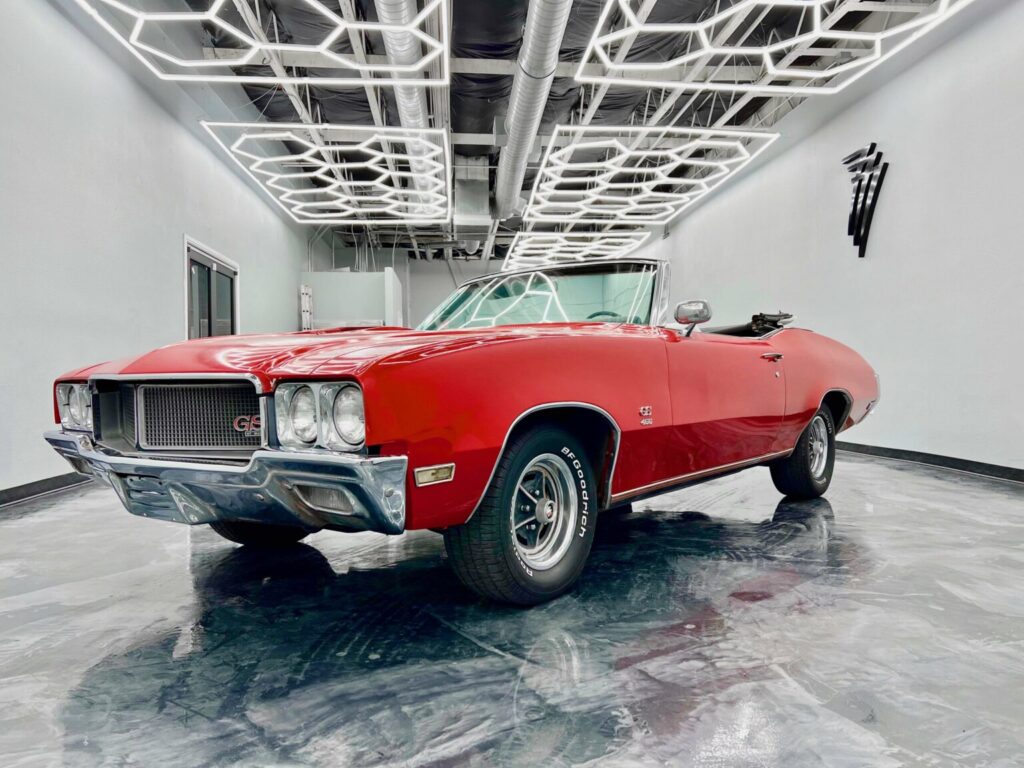
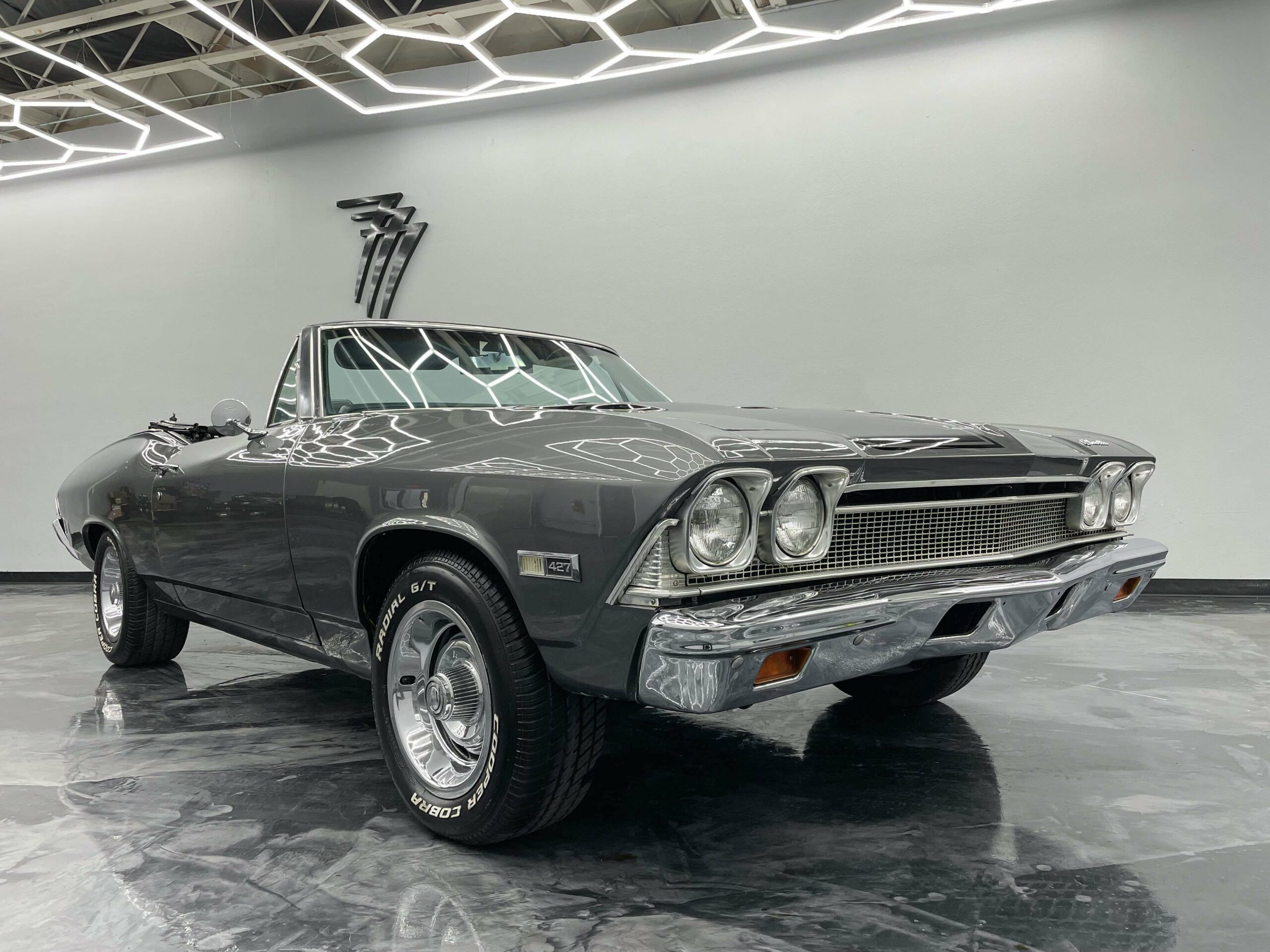
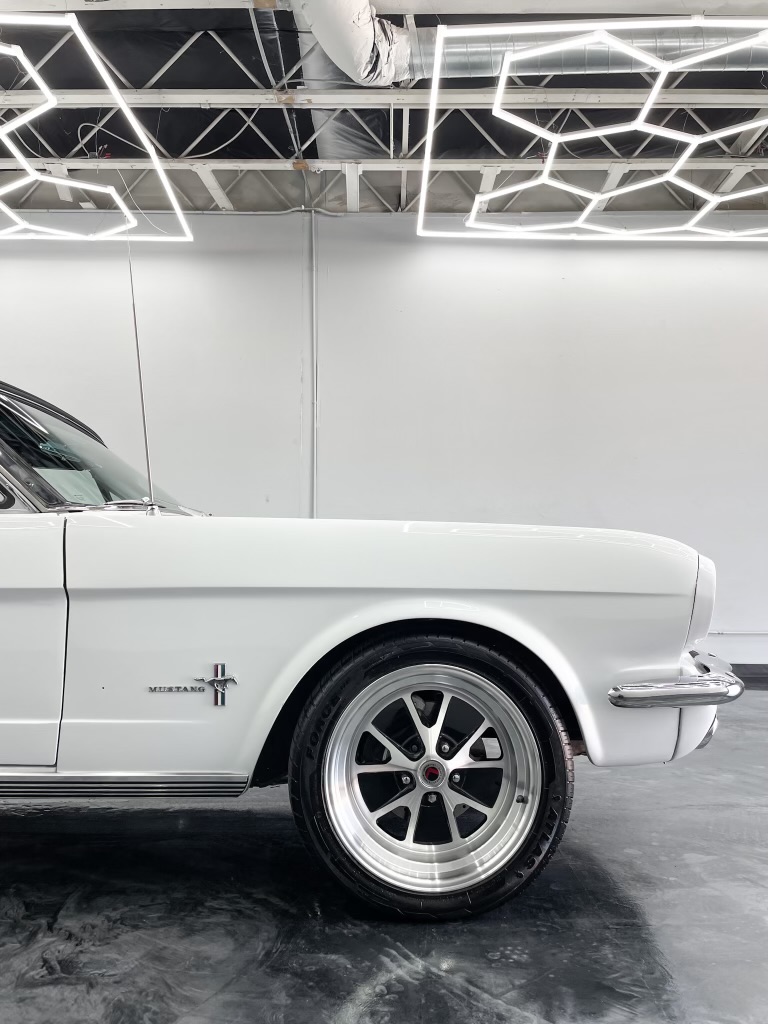
Classic cars weren’t built for modern traffic or steep desert grades. As an enthusiast, you appreciate your vehicle’s character, but worn or neglected brakes can:
Compromise safety. Long stopping distances and fading brakes put you—and others—at risk on I-215 merges and Summerlin Parkway.
Increase repair costs. Ignoring leaks or worn shoes leads to rotor scoring, caliper damage, and costly rebuilds.
Reduce driving enjoyment. Spongy pedals and uneven braking detract from the thrill of piloting a vintage machine.
Regular brake maintenance ensures your classic stops as reliably as it goes, preserving value and providing confidence on every drive.
Unique Brake Challenges in Henderson, NV
Henderson’s environment subjects brake systems to:
Extreme Temperatures. Daytime highs over 110 °F accelerate fluid degradation and vapor lock in drum brakes.
Monsoon Humidity. Sudden downpours propel moisture into old wheel cylinders and calipers, causing corrosion and leaks.
Desert Dust & Sand. Fine particulates infiltrate seals and pad slides, increasing wear on drums, rotors, and hardware.
Steep Grades. Mountain passes near Sloan test brakes under repeated downhill use, promoting fade.
Understanding these local factors guides a more aggressive maintenance schedule than you’d follow in milder climates.
Understanding Your Classic’s Brake System
A thorough grasp of brake components helps you monitor their health.
Drum vs. Disc Brakes
Drum Brakes (common on pre-1970 classics):
Pros: Period-correct look, self-energizing in low-speed stops.
Cons: Prone to heat fade, difficult inspection, and adjustment.
Disc Brakes (factory on some later classics or via conversion):
Pros: Better heat dissipation, consistent pedal feel, easier pad changes.
Cons: Require caliper rebuilds and proper bleed procedures.
Many owners opt for a disc brake conversion to combine authenticity with modern performance.
Master Cylinder, Lines, & Hoses
Master Cylinder:
Dual-circuit originals improve safety, but seals can harden and leak.
Steel Lines & Hoses:
Rubber hoses age, bulge, and collapse under pressure; braided stainless lines offer consistency.
Calipers & Wheel Cylinders:
Piston seals often fail after decades—regular rebuilds prevent fluid loss.
Replacing aged hoses and rebuilding calipers every 2–3 years preserves firm, predictable braking.
Signs Your Brakes Need Attention
Watch for these warning flags:
Spongy or Sinking Pedal → Air in lines, worn master-cylinder seals, or collapsed hoses.
Pulling to One Side → Stuck caliper pistons or uneven drum adjustment.
Grinding or Chirping Noises → Metal-on-metal friction from worn pads or shoes.
Vibration or Pulsation → Warped rotors or out-of-round drums.
Addressing these early avoids more extensive damage and higher costs down the road.
Regular Maintenance Tasks
A proactive brake regimen includes:
Task
Interval
Notes
Fluid Flush & Replacement
Every 12 months or 12K mi
Use DOT 4 or higher; bleeds remove moisture and air.
Brake Pad / Shoe Inspection
Every 6 months
Measure thickness; replace at <3 mm (pads) / <1 mm (shoes).
Rotor / Drum Resurfacing
Every 2–3 years
Machine to remove scoring and restore flatness.
Caliper & Wheel Cylinder Rebuild
Every 3 years
Replace seals, boots, and guide pins.
Hose & Line Inspection
Every 2 years
Look for cracking, bulges, and corrosion on fittings.
Parking Brake Adjustment
Annually
Ensure proper engagement to back up primary brakes.
Pair these tasks with a chassis lube, alignment, and tire rotation for balanced handling.
Upgrades to Enhance Safety
For added confidence, consider these brake enhancements:
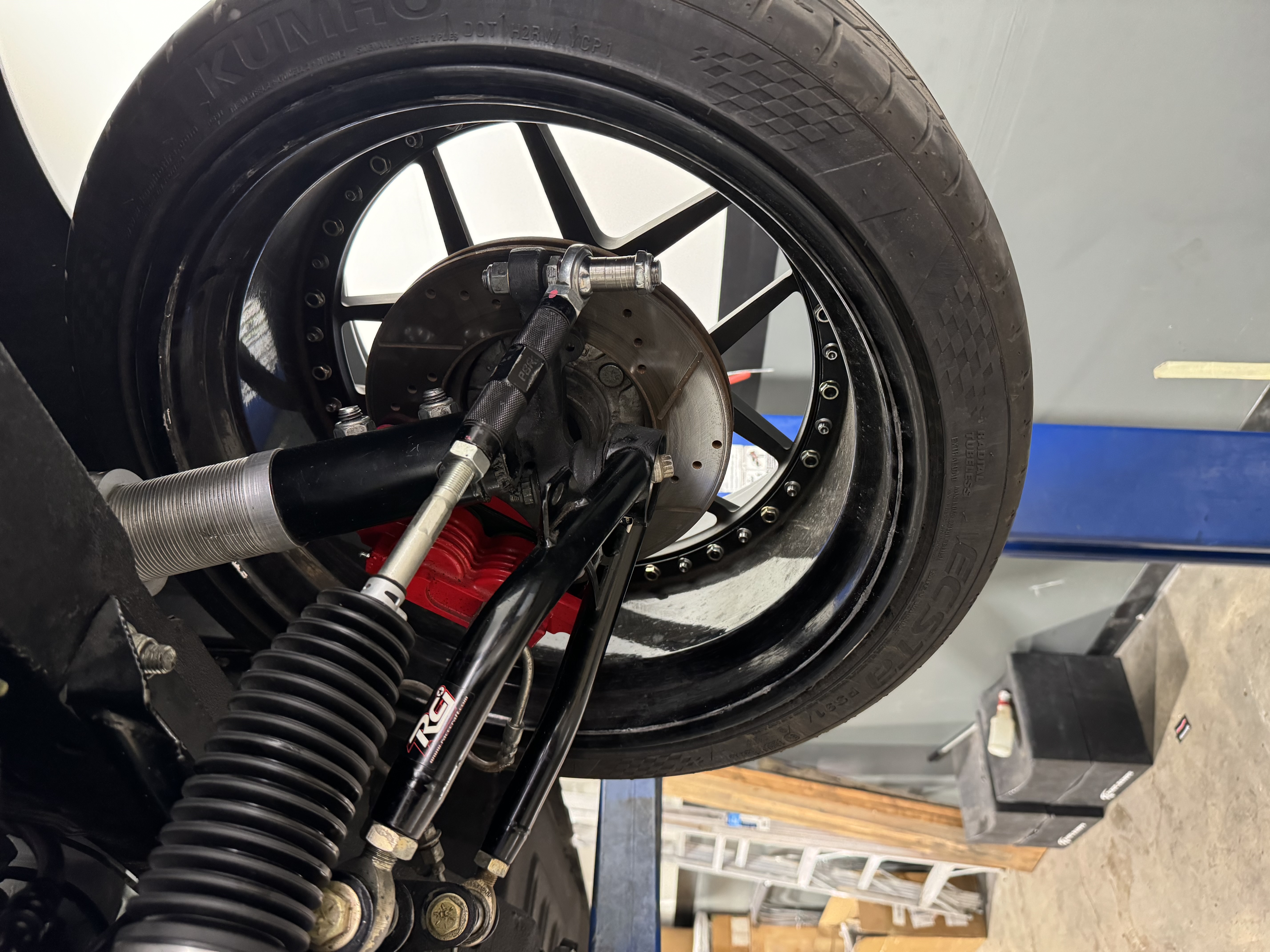
Disc Brake Conversions Bolt-on kits for front (or four-wheel) discs deliver consistent stopping performance Classic Car Brake Upgrades.
Stainless Steel Braided Lines Resist swelling under heat—keepers of firm pedal feel.
Performance Brake Pads Carbon-fiber or ceramic mixes improve fade resistance in canyon drives.
Hydroboost Brake Boosters Vacuum-starved classic engines benefit from power-steering-pressure-driven assist.
High-Flow Master Cylinders Matched to caliper piston area for optimal fluid displacement.
Combining upgrades with regular maintenance yields the safest, most reliable braking system.
The 777 Motorsports Brake Maintenance Process
At 777 Motorsports, our classic-car brake service follows a meticulous workflow:
Free Initial Consultation We assess your vehicle’s brake history, usage, and challenges specific to Henderson’s climate.
Comprehensive Inspection
Fluid analysis, leak checks, pad/shoe measurement
Rotor/drum runout and caliper/piston condition
Hardware inspection: bushings, springs, parking brake components
Transparent Quotation Line-item pricing for parts, labor, and recommended upgrades—no hidden fees.
Skilled Service & Upgrades From fluid flush and caliper rebuilding to full disc conversions, we use OEM-quality components and torque-to-spec reassembly.
Dynamic Road-Test Hot-weather brake bedding loops on basic roads and controlled stops on our test track to verify performance.
Customer Walkthrough & Training We demonstrate pedal feel, discuss future maintenance intervals, and provide care tips.
Your classic leaves our shop with a lifetime workmanship warranty on all brake services we perform.
Service Areas in Henderson & Surroundings
While based at 3271 S Highland Dr #709, Las Vegas, NV 89109, we serve classic-car owners throughout:
Henderson: Green Valley, Anthem, Inspirada, Whitney Ranch
Summerlin & West Las Vegas
Paradise (The Strip) & Spring Valley
North Las Vegas & Aliante
Boulder City & Lake Mead
We also offer mobile brake inspections and emergency response within a 45-mile radius.
DIY Tips vs. Professional Service
Task
DIY-Friendly
When to Call 777 Motorsports
Brake Fluid Flush
★★★★☆
If corrosion is present or soft pedal persists
Pad/Shoe Replacement
★★★☆☆
For first-timers; bleed and test demands precision
Rotor/Drum Resurfacing
★☆☆☆☆
Requires machine shop and precise runout gauges
Caliper Rebuilding
★★☆☆☆
Seal installation and pressure testing are critical
Disc Conversion Installation
★☆☆☆☆
Alignment, mounting, bleeding, and alignment matter
When in doubt—especially with critical safety systems—trust our ASE-certified technicians.
Frequently Asked Questions
How often should I flush my brake fluid in Henderson’s climate? → Every 12 months or 12 000 miles, whichever comes first, to prevent moisture-induced corrosion.
Can I upgrade only the front brakes? → Yes—a front 2-wheel disc conversion yields significant stopping power improvements.
What fluid is best for classic cars? → DOT 4 or DOT 5.1 provides higher boiling points; avoid silicone DOT 5 unless specifically recommended.
How soon will I notice improvement after a service? → Most drivers feel crisper response and shorter stopping distances on the first test drive.
Do you offer emergency brake repairs? → Yes—call our 24/7 hotline at (844) 777-1296 for mobile response in Henderson and Summerlin.
Will new brakes affect my classic’s authenticity? → We use period-correct hardware and reversible upgrades to maintain your car’s heritage.
How do I book a brake inspection? → Call (844) 777-1296 or schedule online for a free initial consultation.
Ready to Brake with Confidence?
Don’t leave your stopping power to chance—protect your classic and your safety with expert brake maintenance and upgrades. Call (844) 777-1296 or book your brake service at 777 Motorsports today. Drive Henderson’s roads with the reassurance that every stop is as reliable as every start.